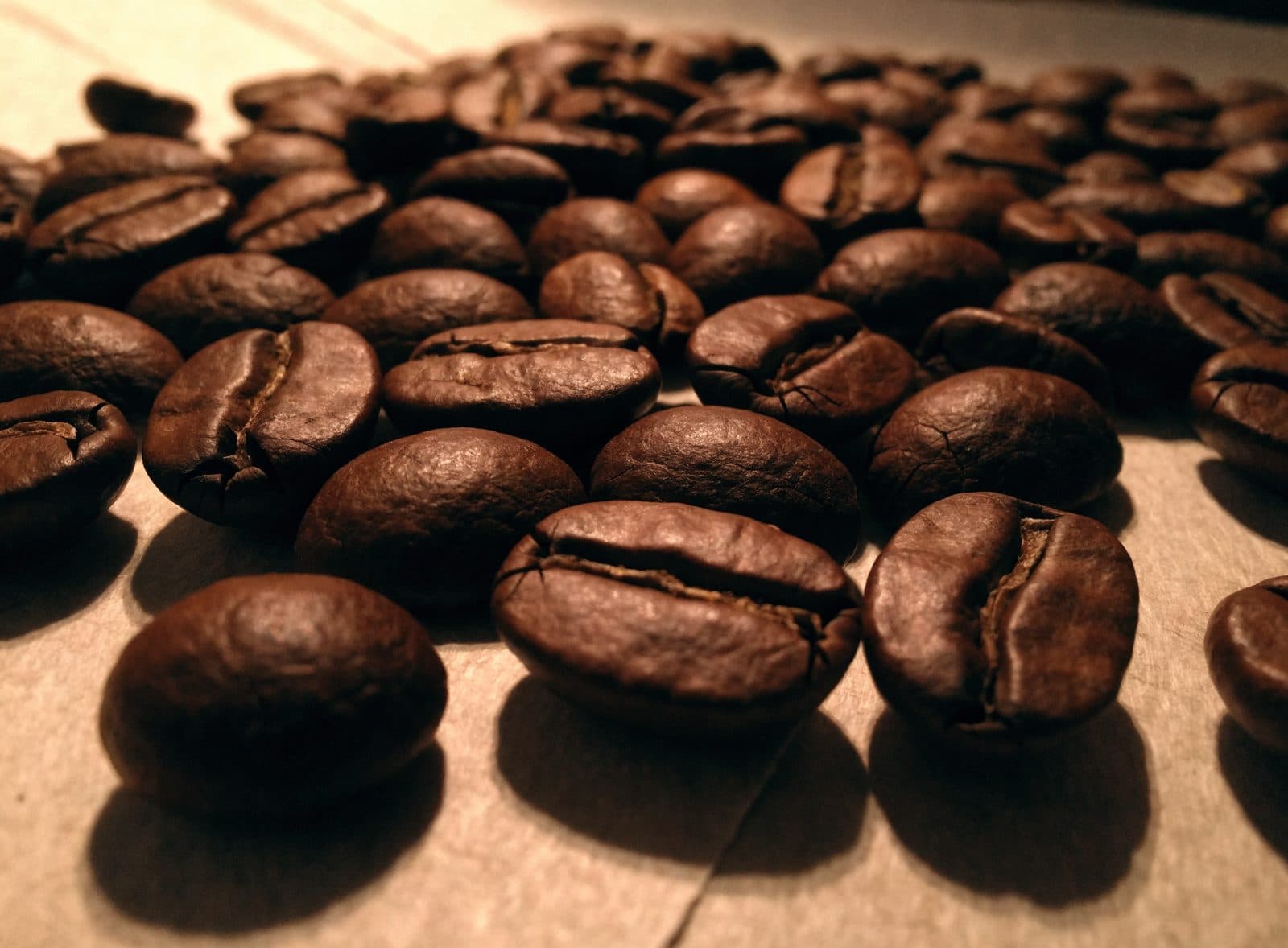
Illustration — not a named farm.
02
100% Kona vs the blend
The most expensive word on a lot of coffee bags is still Kona. It does not always mean what the buyer thinks it means. If you want the cup you had on the west side of Hawaiʻi Island, you are shopping for 100% Kona Coffee. If you are shopping for the word, the market will sell you the word.
What the bag is allowed to say right now
Under HRS §486-120.6 / Act 198, a “Kona blend” can currently be as little as 10% Kona by weight. That 10% floor holds through 30 June 2027. From 1 July 2027, if a Hawaiʻi geographic name is used on roasted coffee, instant, or ready-to-drink, the blend has to contain at least 51% coffee by weight from that origin. Blend percentage disclosure is already required. The identity statement is supposed to tell you the percent and the name (Kona coffee blend, and what else is in it).
In one line: 10% through 30 June 2027; 51% from 1 July 2027 if the name is used; still look for “100% Kona Coffee.”
That is the whole statute we are going to lean on. We are not going to invent extra clauses. Read the front of the bag. If it says 10% Kona coffee blend, believe it. Nine tenths of what you brewed did not grow in Kona. It might be a fine cup of something else. It is not a Kona cup.
100%, blend, and style
Always look for the words “100% Kona Coffee.” Those words are the tell.
| What the bag says | What it is |
|---|---|
| “100% Kona Coffee” | Origin claim for the west-side district. This is the bag you wanted. |
| “Kona blend,” “Kona coffee blend,” “contains Kona,” huge KONA + tiny percent | A blend. Believe the percent. Nine tenths may not have grown in Kona. |
| “Kona-style,” “Kona roast” | Not origin claims. Roast or marketing language. Can appear on coffee that never saw the district. Treat like “French roast.” |
| Hawaiian blend / “Hawaii coffee” | Not a synonym for Kona. Read the second line. |
A volcanic photo is scenery. It is not an origin claim.
Why 10% still fools people
Ten percent is enough to print the name large. It is not enough to taste like the farm. Kona in a typical washed cup is mild and sweet. Drown it in cheaper coffee and you get the cheaper coffee, plus a story. Shoppers remember the vacation. They see the word. They pay a little more than grocery coffee and feel like they did the Hawaiʻi thing. The farmer who grew the 10% did not set that price. The blend did.
From 1 July 2027 the math gets less insulting if someone still wants to use the name. Fifty-one percent is a majority. It is still not 100%. A 51% Kona blend can be an honest product. It is a blend. If you are buying it as a gift for someone who asked for Kona, say so. Do not let the name do the lying for you.
Hawaiian blend is a separate mix-up. Coffee from Kaʻū, Maui, Kauaʻi, or a mix of Hawaiʻi lots is not Kona unless the Kona is specified and the percent is real. Hawaiian is not a synonym for the west-side district. Respect the other origins enough to name them. Walkthrough: Kona vs the rest of Hawaiʻi.
How to shop without getting played
Start with the identity line, not the scenery.
- Identity line. You want 100% Kona Coffee. If those four tokens are not on the bag, you already have your answer.
- A name. A farm, estate, or mill you can actually look up.
- A roast date, not only a best-by stamp from next year.
- Price as a smell test. Genuine 100% Kona on farm sites is commonly in the $30–$60+/lb range people see when they buy direct. A cheap “Kona” is usually a blend. That range is what the market shows. It is not a guarantee that every $40 bag is honest, and it is not a rule that a farm cannot run a sale. If the price looks like supermarket coffee and the word looks like a postcard, believe the price.
- Grade second. Extra Fancy, Fancy, No. 1, Peaberry tell you something about how the green coffee was sorted. They do not override a blend. Extra Fancy blend is still a blend if the Kona percent is 10. Read origin first, grade second.
If you want a bag, start with 100% Kona from a named estate. Farms and roasters with public shops are easy to check with your own eyes. Some of those shops may show up later as affiliate links (Hula Daddy, Koa Coffee, Big Island Coffee Roasters, Hawaii Coffee Company). The advice does not wait on the links. 100% first. Name second. Percent on the blend if you knowingly buy a blend.
The law is moving. The shopping habit can move now. Look for “100% Kona Coffee.” If those four tokens are not on the bag, you already have your answer.
Next: How to read a Kona bag — identity line, farm name, roast date, grade words, price.
FAQ
- How much Kona is in a “Kona blend” today?
- As little as 10% Kona by weight under HRS §486-120.6 / Act 198, through 30 June 2027. Blend percentage disclosure is already required. If it says 10% Kona coffee blend, believe it. Nine tenths did not grow in Kona.
- What changes on 1 July 2027?
- If a Hawaiʻi geographic name is used on roasted coffee, instant, or ready-to-drink, the blend has to contain at least 51% coffee by weight from that origin. Fifty-one percent is a majority. It is still not 100%. A 51% Kona blend can be an honest product. It is a blend.
- Is “Kona-style” the same as 100% Kona Coffee?
- No. “Kona-style” and “Kona roast” are not origin claims. They can appear on coffee that never saw the district. Always look for the words “100% Kona Coffee.”
- Does Extra Fancy mean it is 100% Kona?
- No. Grade words (Extra Fancy, Fancy, No. 1, Peaberry) are about how the green coffee was sorted. They do not override a blend. Extra Fancy blend is still a blend if the Kona percent is 10. Read origin first, grade second.
- Why is cheap “Kona” usually a blend?
- Genuine 100% Kona on farm sites is commonly in the $30–$60+/lb range people see when they buy direct. That range is a smell test, not a certified floor. If the price looks like supermarket coffee and the word looks like a postcard, believe the price.